


Blog
Tree Trimming in Winter
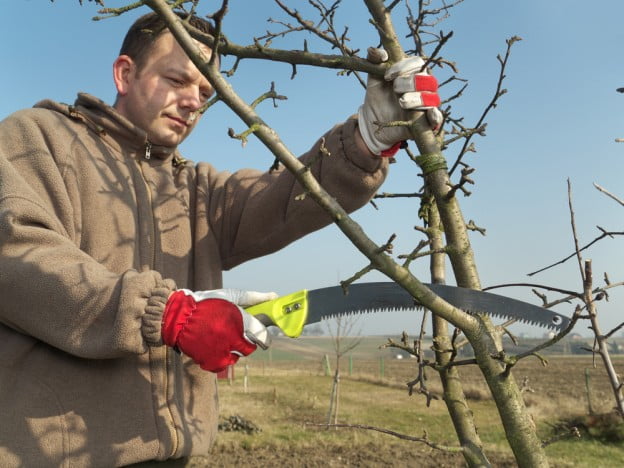 Tree trimming when trees and shrubs are dormant is a common practice, and winter is a great time to do it. Once dormancy arrives, usually in November or December in Utah, you’re safe.
Tree trimming during this period leads to an energetic display of new growth come spring, which is what most homeowners desire.
But ideally, wait until the coldest of winter weather has passed. Some trees in Utah, like birches and maples, tend to bleed when sap starts to flow, and tree trimming during the chilliest of days can freeze the sap. Sap, frozen or not, isn’t a hazard, but many homeowners prefer to let the sap run its course.
Avoid trimming trees in autumn also, when decay fungi are on a rampage. These cause tree wounds to heal slower.
Tree Trimming Dead Wood
If you have dead wood
Tree trimming when trees and shrubs are dormant is a common practice, and winter is a great time to do it. Once dormancy arrives, usually in November or December in Utah, you’re safe.
Tree trimming during this period leads to an energetic display of new growth come spring, which is what most homeowners desire.
But ideally, wait until the coldest of winter weather has passed. Some trees in Utah, like birches and maples, tend to bleed when sap starts to flow, and tree trimming during the chilliest of days can freeze the sap. Sap, frozen or not, isn’t a hazard, but many homeowners prefer to let the sap run its course.
Avoid trimming trees in autumn also, when decay fungi are on a rampage. These cause tree wounds to heal slower.
Tree Trimming Dead Wood
If you have dead wood
Fruit Trees for Utah
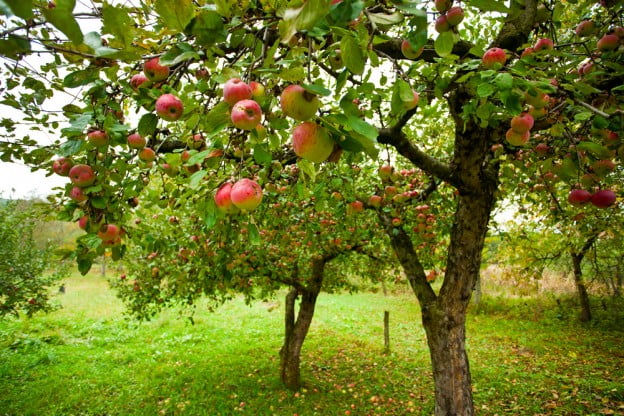 Some fruit trees fare better in Utah than others, and choosing native trees and plants is your best move toward a successful garden.
You don’t see banana plants and orange trees in Utah because it gets too cold in the winter here, and tropical bushes and trees simply can’t handle it. However, you can find a number of fruit-bearing trees, shrubs and plants well-suited for Utah’s diverse climate. Some are even native!
Chokecherry trees are native to Utah, and if you haven’t cooked with this berry before, you’re missing out. Popular in Native American cuisine, chokecherries are a deep red or blackish purple, and one of the most popular uses is a sweet jam.
You can use them any way you might use plums or other berries, from liqueurs to pie fillings.
Netleaf hackberry
Some fruit trees fare better in Utah than others, and choosing native trees and plants is your best move toward a successful garden.
You don’t see banana plants and orange trees in Utah because it gets too cold in the winter here, and tropical bushes and trees simply can’t handle it. However, you can find a number of fruit-bearing trees, shrubs and plants well-suited for Utah’s diverse climate. Some are even native!
Chokecherry trees are native to Utah, and if you haven’t cooked with this berry before, you’re missing out. Popular in Native American cuisine, chokecherries are a deep red or blackish purple, and one of the most popular uses is a sweet jam.
You can use them any way you might use plums or other berries, from liqueurs to pie fillings.
Netleaf hackberry
Holiday Lighting and “New Year Trees”
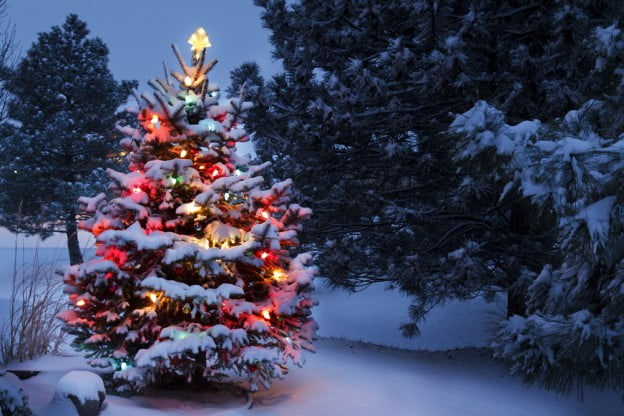 Holiday lighting doesn’t end with Christmas trees. A popular tradition in many cultures is the New Year Tree, and no, this isn’t the habit of leaving up Christmas trees until after Jan. 1!
You’ll find New Year Trees in Vietnam, the former Soviet Union and Turkey, but it’s a trend that’s catching on across the globe.
In Turkey and Russia, New Year Trees are often the same trees used at Christmas. However, traditionally a lot of these trees go up before Christmas, and some families get two trees. It’s up to you whether to wait and get a fresh tree after the Christmas rush, since no hard and fast rules exist.
Holiday Lighting that Doesn’t Go Out
New Year Trees have a fascinating history, which was detailed in a 1930s edition of Bezbozhnik magazine, compliments of the
Holiday lighting doesn’t end with Christmas trees. A popular tradition in many cultures is the New Year Tree, and no, this isn’t the habit of leaving up Christmas trees until after Jan. 1!
You’ll find New Year Trees in Vietnam, the former Soviet Union and Turkey, but it’s a trend that’s catching on across the globe.
In Turkey and Russia, New Year Trees are often the same trees used at Christmas. However, traditionally a lot of these trees go up before Christmas, and some families get two trees. It’s up to you whether to wait and get a fresh tree after the Christmas rush, since no hard and fast rules exist.
Holiday Lighting that Doesn’t Go Out
New Year Trees have a fascinating history, which was detailed in a 1930s edition of Bezbozhnik magazine, compliments of the
Holiday Lighting: Indoor vs. Outdoor
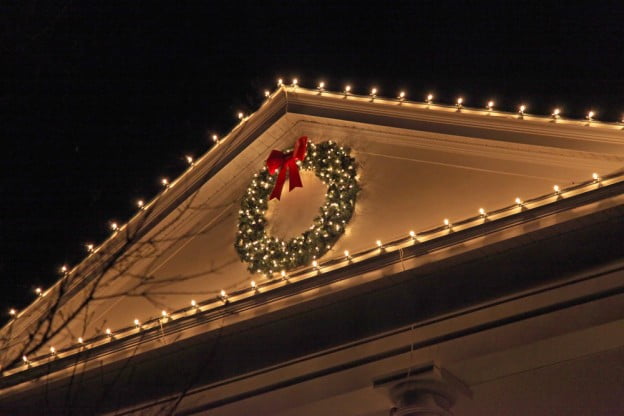 How can you tell whether holiday lighting is meant for outdoor or indoor use?
Some holiday lighting is for both indoor and outdoor use, and if your lights clearly state that, you’re in the clear. Look at the safety tags, governed by Underwriters Laboratories (UL), which analyzes all electrical items made in America. Every electrical product that’s been tested and deemed safe from fire and shock gets a UL listing.
No UL listing? Your lights are either not made in the U.S., are too old to have a UL listing, or are not deemed UL safe. These three options are all dangerous and easily avoidable.
You might find cheap holiday lighting online, but if the lights are used or not made in the U.S., it’s impossible to know how safe they are. Whether you rent or buy holiday lighting,
How can you tell whether holiday lighting is meant for outdoor or indoor use?
Some holiday lighting is for both indoor and outdoor use, and if your lights clearly state that, you’re in the clear. Look at the safety tags, governed by Underwriters Laboratories (UL), which analyzes all electrical items made in America. Every electrical product that’s been tested and deemed safe from fire and shock gets a UL listing.
No UL listing? Your lights are either not made in the U.S., are too old to have a UL listing, or are not deemed UL safe. These three options are all dangerous and easily avoidable.
You might find cheap holiday lighting online, but if the lights are used or not made in the U.S., it’s impossible to know how safe they are. Whether you rent or buy holiday lighting,
Arborists Prevent Trees from Falling
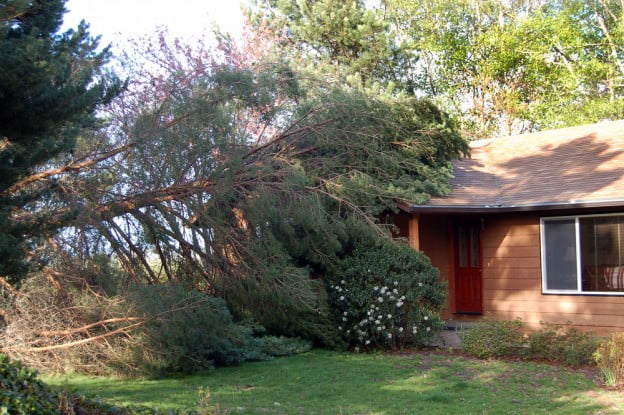 Your arborist can help keep your property safe and secure during harsh winter months.
Trees can fall at any time, heavy snow and strong winds and rain can easily cause them to fall. Extreme weather, such as a hurricane, can certainly cause an otherwise healthy tree to fall, but in most cases, red flags are evident only to an arborist.
In many cases, unhealthy root systems are the problem. Roots that move and slip when branches are trying to stand up to heavy winds can cause even huge trees to fall. Poor roots are often the cause of poor planting, and a crowded infrastructure and hidden root damage can exacerbate it.
Healthy roots are the key to a healthy tree, but unfortunately, since roots are hidden, it can be tough for the average homeowner to gauge root health.
Arborist
Your arborist can help keep your property safe and secure during harsh winter months.
Trees can fall at any time, heavy snow and strong winds and rain can easily cause them to fall. Extreme weather, such as a hurricane, can certainly cause an otherwise healthy tree to fall, but in most cases, red flags are evident only to an arborist.
In many cases, unhealthy root systems are the problem. Roots that move and slip when branches are trying to stand up to heavy winds can cause even huge trees to fall. Poor roots are often the cause of poor planting, and a crowded infrastructure and hidden root damage can exacerbate it.
Healthy roots are the key to a healthy tree, but unfortunately, since roots are hidden, it can be tough for the average homeowner to gauge root health.
Arborist